


 25 January 2026
When the River Rose – Life Beyond the Flood
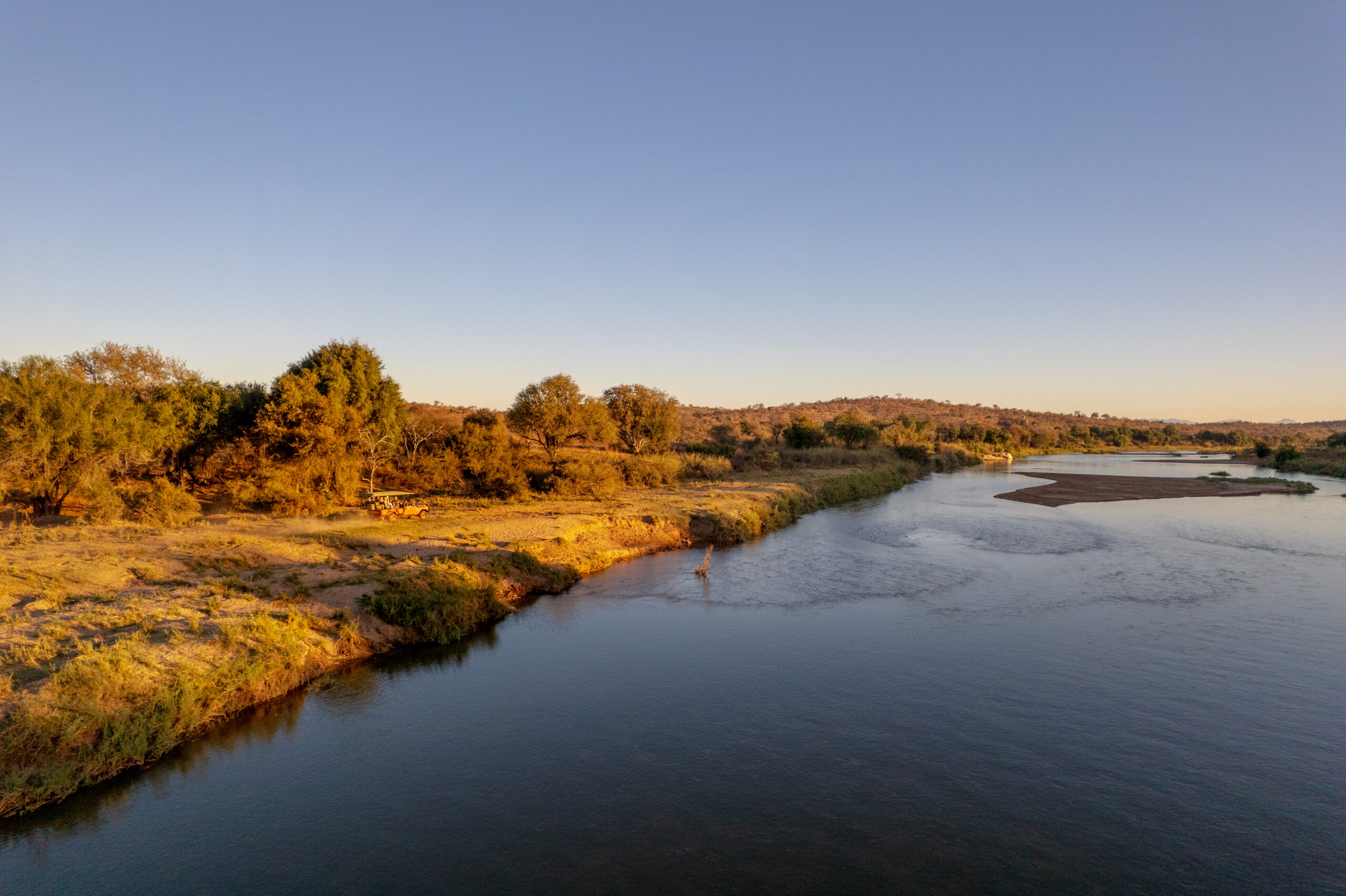
This month, the Lowveld experienced a week of extreme rainfall on a scale rarely seen. In some areas, a year’s worth of rain fell in just a few days. Rivers burst their banks, sending water raging across roads, bridges, and floodplains alike. At its worst, parts of Kruger National Park reported up to 500mm of rain in a single 24-hour period – levels not seen for more than 25 years.
Here at Sashwa, our staff leapt into action as the Olifants swelled, drainage lines became torrents, and low-lying areas of the lodge were affected. Through it all, the spirit of our team was a true inspiration. Even in the midst of disruption, there has been laughter, singing, shared meals, and an unmistakable sense of pulling together. It has been humbling to witness how quickly people move from shock to action, and how care for one another rises to the surface when it’s most needed. Though the flooding has left its mark, what matters most is that our people are safe, and the work of cleaning, repairing, and restoring is well underway.


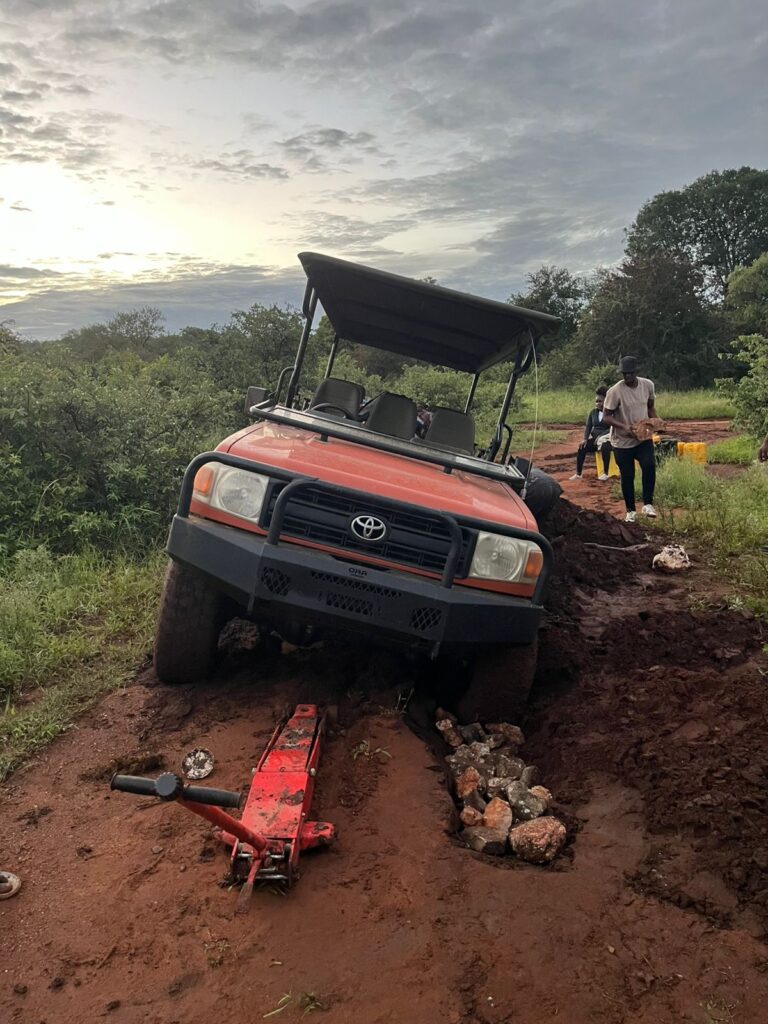
One moment, shared by Head Guide Ian, captures this sense of community and support perfectly. With access roads cut off and supplies running low, he reached out to the local Farmwatch volunteers. “They were phenomenal,” he shared. “Within fifteen minutes they were on the phone helping us plan a landing spot. Within two hours, we had food on site. Pick and Pay generously donated 90kg of food for our 19 stranded staff, and the helicopter pilot, Donovan de Wet, landed in incredibly difficult conditions. I can’t describe the relief of being helped so quickly.”
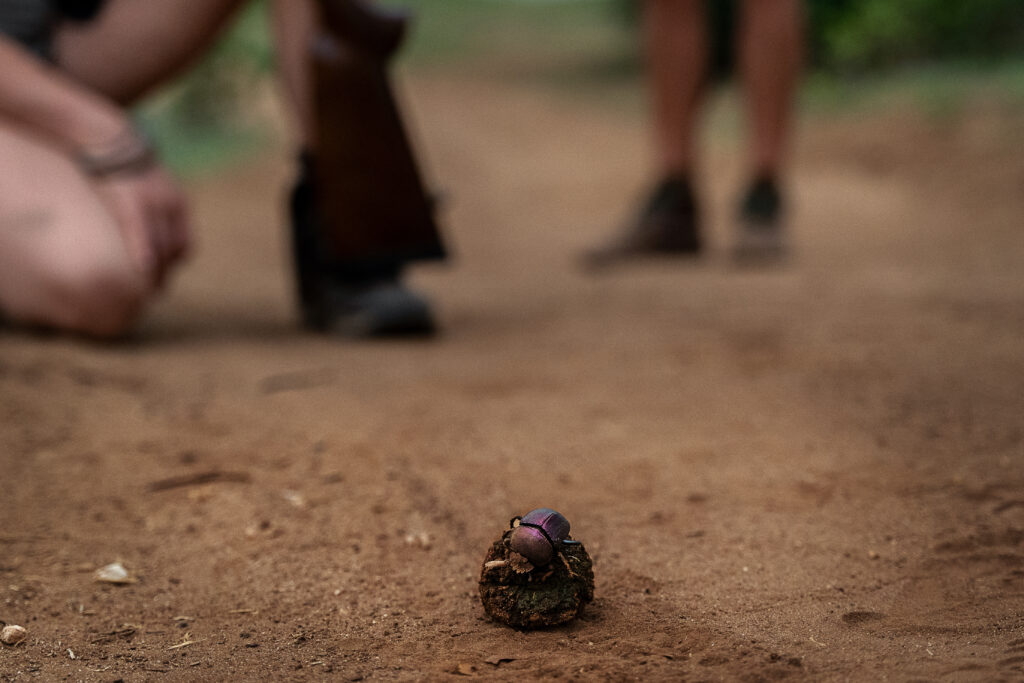
Beyond the lodge, the floods have also impacted local wildlife and the landscape itself. Whilst larger animals are generally able to move to higher ground, others are not so lucky. Ground-dwelling insects, small mammals, reptiles, and the vulnerable young of many species will undoubtedly have seen losses. Even the dung beetles seemed absent for many days.
And yet, they returned.
Animals are often far more in tune with the land and the weather than us and, even with seemingly insurmountable odds, they find a way. In one show of powerful resilience, Ian watched a mother elephant cross a flooded drainage line with her calf. The force of the water swept the young calf off balance, slipping beneath the surface as it struggled to stay afloat. Without hesitation, the calf’s mother launched forward into the current, reached out with her trunk in frantic desperation, and caught her precious baby just in time. Guiding it toward safety on the far bank, the pair stepped back onto land, exhausted but alive.
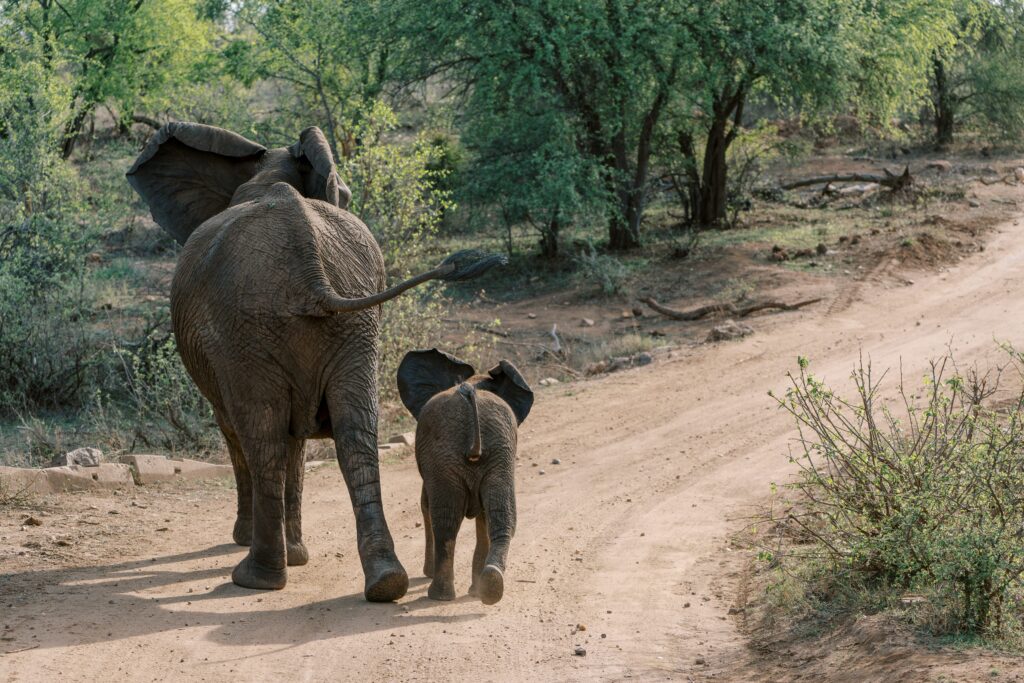
Raw and emotional, yet just one of a thousand unseen stories playing out across the Kruger. In each, the unshakeable will to survive drives them on.
Flooding is part of this ecosystem’s story. Just as the rivers have always risen and fallen, the land has always changed and healed. It may take time, but recovery is already beginning. The wildlife is returning. The river will settle. Green shoots will follow the water. And with patience, care, and community, so will we.

 Enquire
 Chat
Chat Email
Email